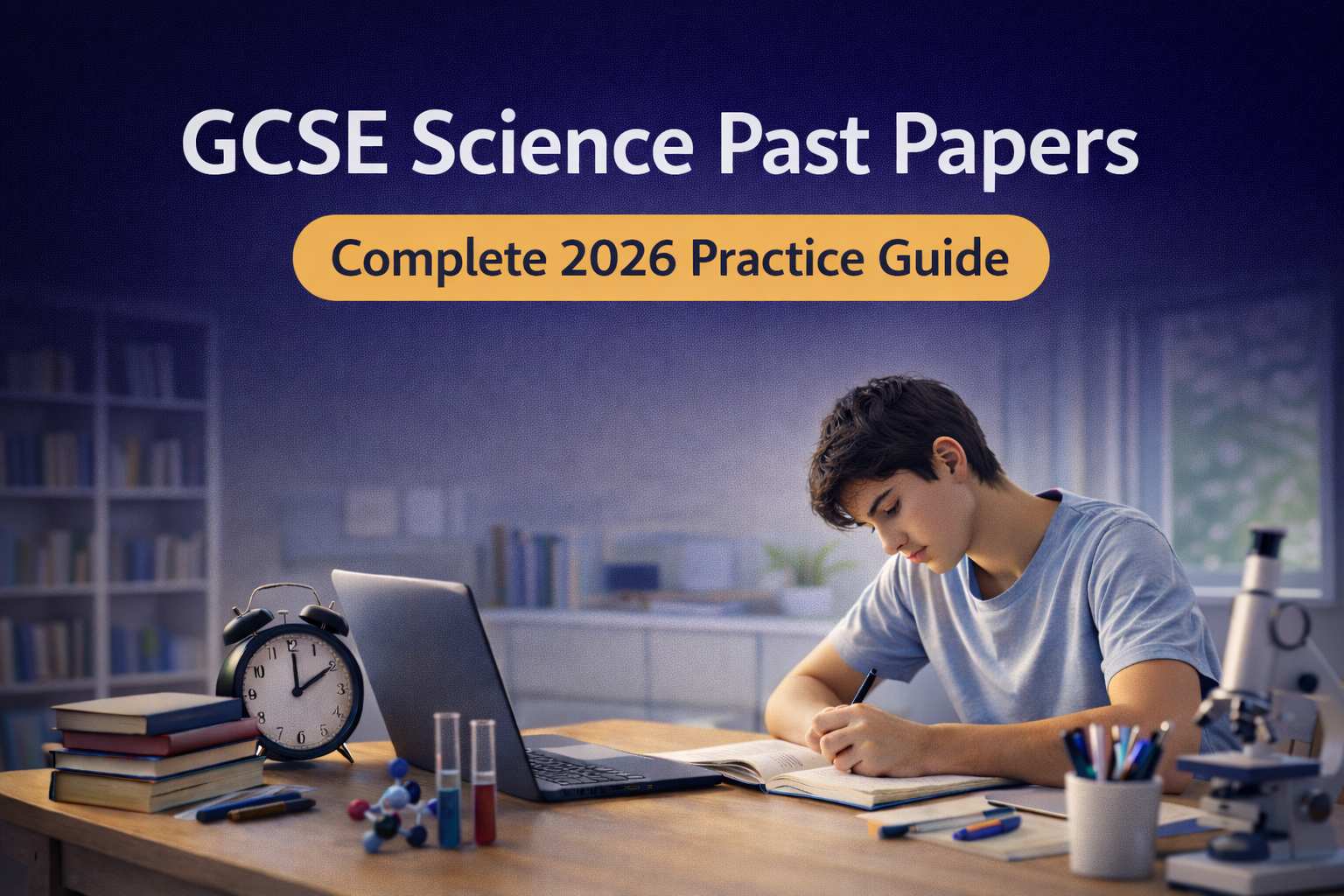
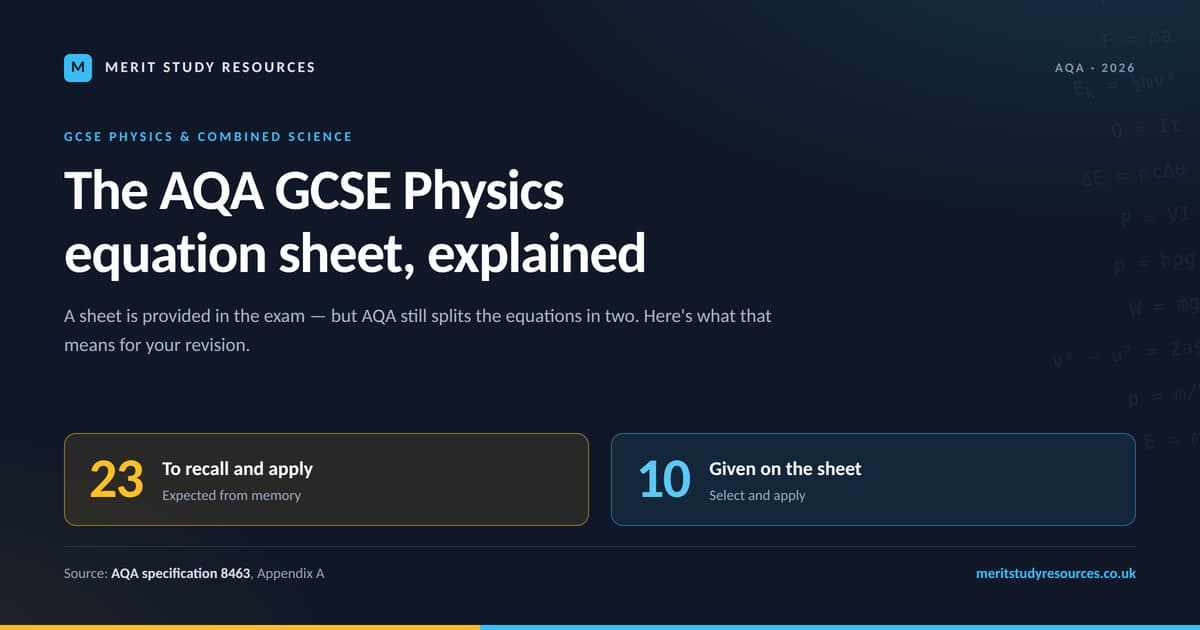
Preparing for GCSE Science exams can feel overwhelming. With three major subjects — Biology, Chemistry, and Physics — many students struggle to know where to begin.
One of the most reliable ways to build confidence and improve grades is by practising with real GCSE Science past papers. These papers show you exactly how questions are structured, how marks are awarded, and how to manage your time in the exam hall.
This guide explains how to use GCSE Science past papers properly in 2026, whether you are a school student, private candidate, or resit learner.
Why GCSE Science Past Papers Are So Important
Textbooks teach you theory, but past papers teach you how exams actually work.
When you practise regularly with past papers, you learn:
-
How questions are phrased
-
Which topics appear most often
-
How much detail examiners expect
-
How to complete papers within time limits
Students who use past papers correctly usually feel calmer and more prepared on exam day.
What Is Included in GCSE Science Past Papers?
Most GCSE Science papers follow a similar structure across exam boards. They usually include:
Short-answer questions to test basic understanding, longer explanation questions, data analysis tasks, and practical-based scenarios.
Depending on your course, you may sit:
-
Combined Science (Trilogy or Double Award)
-
Separate Sciences (Biology, Chemistry, Physics)
Each subject tests both knowledge and application, so practising real exam papers is essential.
Access full GCSE Science past papers here:
https://meritstudyresources.co.uk/past-papers/gcse/science/
GCSE Science Past Papers by Exam Board
Different exam boards use slightly different formats. You should always practise papers from your registered board.
The main GCSE Science exam boards include:
AQA, Pearson Edexcel, OCR, and WJEC/Eduqas.
Although the topics are similar, question wording and mark schemes can vary. Using the correct board’s papers gives you a clear advantage.
How to Use GCSE Science Past Papers Effectively
Many students download past papers but do not use them properly. To get real benefit, follow this simple system.
First, practise under exam conditions. Sit in a quiet place, set a timer, and complete the paper without notes.
Next, mark your answers using the official mark scheme. Pay attention to where marks are gained and lost.
Then, analyse your mistakes. Identify weak topics, misunderstood questions, and gaps in knowledge.
Finally, reattempt similar questions after revising. This turns mistakes into improvement.
This approach builds real exam skills, not just memory.
When Should You Start Using Past Papers?
The best time to start using GCSE Science past papers is once you understand the basic syllabus.
For most students, this means starting serious past paper practice from January onwards, increasing frequency as exams approach.
If you are planning around exam dates, check your schedule on:
GCSE Exam Timetable 2026 UK:
https://examcentrelondon.co.uk/details/GCSE-Exam-Timetable-2026-UK-All-Boards-Key-Dates/107
Past Papers for Private Candidates and Resit Students
Private candidates and resit students often rely more heavily on past papers than classroom students.
Past papers provide structure when studying independently and help you measure real progress.
Many private candidates also benefit from registering with an approved exam centre early.
Book GCSE exams as a private candidate:
https://examcentrelondon.co.uk/gcse-exams
Common Mistakes to Avoid
Some mistakes reduce the value of past paper practice.
Students often practise without timing, skip mark schemes, repeat the same paper too often, or ignore feedback.
Quality practice matters more than quantity. One well-reviewed paper is more valuable than five rushed ones.
How Past Papers Improve Final Grades
When used properly, GCSE Science past papers help you:
-
Build confidence
-
Improve exam technique
-
Reduce panic
-
Strengthen weak topics
-
Increase accuracy
Over time, this leads to higher and more consistent marks.
Final Tips for GCSE Science Exam Preparation
-
Mix recent and older papers to cover different question styles.
-
Practise writing full explanations, not just short answers.
-
Review mistakes honestly.
-
Focus on steady progress, not perfection.
Past papers are not just revision tools — they are your rehearsal for the real exam.
Frequently Asked Questions – GCSE Science Past Papers 2026
Are GCSE Science past papers free?
Yes. Most past papers and mark schemes are available online for free through exam boards and revision platforms.
Which GCSE Science papers should I practise?
You should practise papers from your own exam board, such as AQA, Edexcel, OCR, or Eduqas.
How many past papers should I complete?
It is better to complete fewer papers with full review than many without analysis. Aim for quality practice.
Are past papers enough to pass GCSE Science?
Past papers are essential, but combining them with revision notes, textbooks, and feedback gives the best results.
Can private candidates use these papers?
Yes. Past papers are especially helpful for private candidates and resit students.
Helpful Next Steps
https://merittutors.co.uk
Ready to try it? Every paper in the library comes with its mark scheme and a
worked solution, so you can practise without hunting for files.
Find past papers