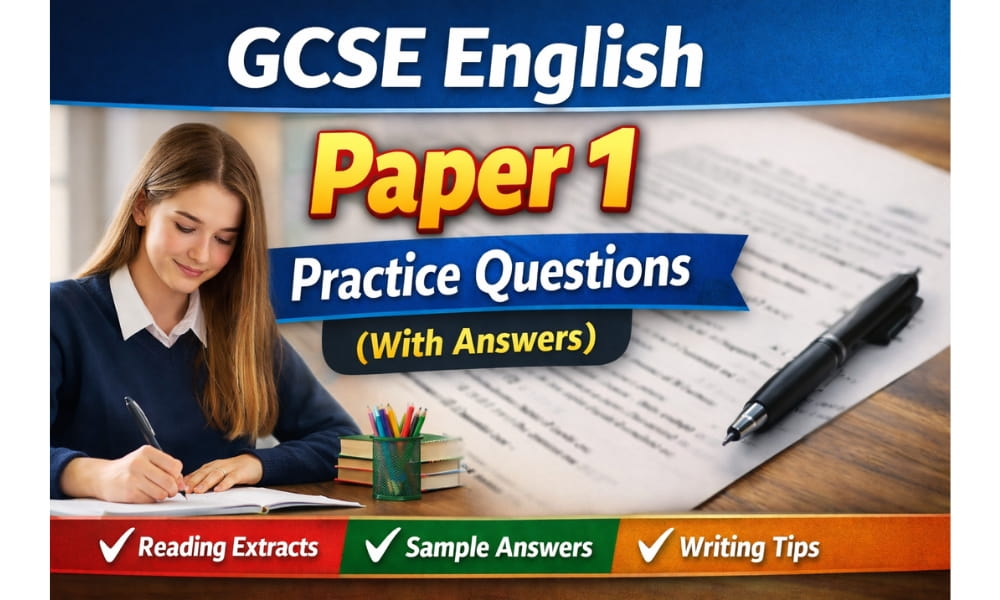
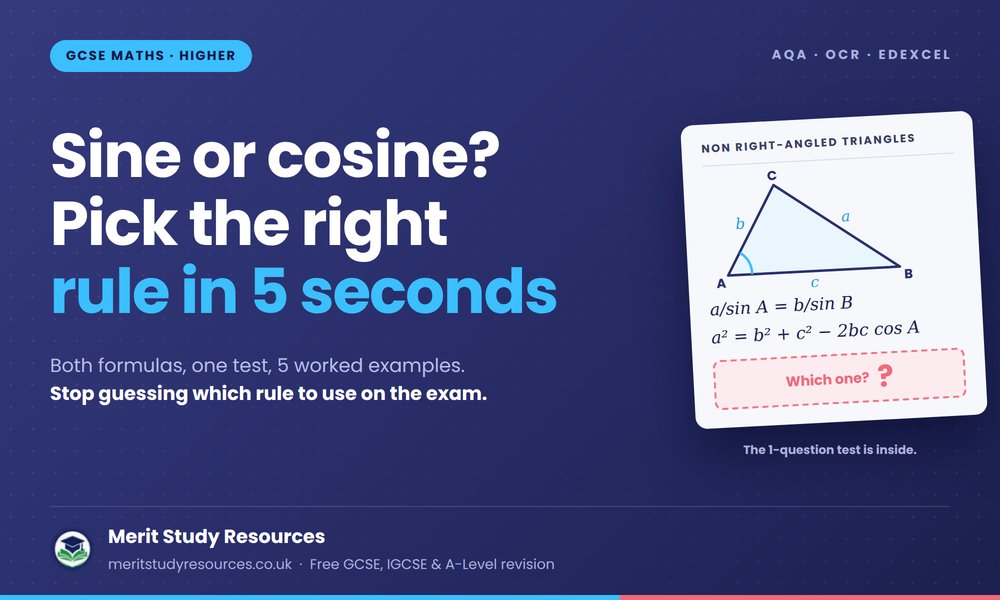
Preparing for GCSE English Language Paper 1 can feel difficult for many students, especially when they are unsure what type of questions will appear in the exam. Unlike some subjects where memorisation plays a major role, English Language exams focus heavily on reading skills, analysis, and creative writing.
One of the most effective ways to improve your confidence and exam performance is by practising realistic GCSE English Paper 1 practice questions. Working with exam-style extracts allows you to understand how questions are structured and how examiners expect answers to be written.
In this guide, you’ll find practice questions, example answers, and useful advice that will help you approach the exam with greater confidence.
Students who practise regularly with exam-style questions often find that their reading and analytical skills improve significantly over time.
Understanding GCSE English Language Paper 1
GCSE English Language Paper 1 focuses on fiction texts and creative writing. The exam normally lasts 1 hour and 45 minutes and is designed to test both reading and writing abilities.
The first part of the paper contains an unseen extract taken from a novel or short story. Students must read the passage carefully and answer a series of questions that assess their ability to understand and analyse the text.
The second part of the exam focuses on creative writing. Students are asked to produce their own descriptive or narrative piece, often based on an image or a short prompt.
This structure means that success in the exam depends on several key skills. Students must be able to identify important information from a text, analyse the writer’s language choices, understand how a text is structured, and express clear personal evaluations supported by evidence.
Becoming familiar with these question types is one of the best ways to improve exam performance.
To understand how the exam works, it is useful to practise analysing a short fictional passage similar to the type used in the real exam.
Practice Extract
A cold wind moved slowly through the empty streets as the sun disappeared behind the tall buildings. The city, usually full of life and noise, seemed strangely quiet. A single streetlight flickered in the distance while footsteps echoed along the pavement.
The first question in GCSE English Paper 1 usually focuses on simple information retrieval. Students must identify details directly from the text.
Question
List four things you learn about the setting from the extract.
Example Answer
The weather is cold and windy.
The streets are empty.
The city is unusually quiet.
A streetlight is flickering in the distance.
Questions like this are designed to test how carefully students read the extract. Marks are awarded for selecting clear details from the passage.
Question 2 – Language Analysis
Language questions ask students to explain how a writer uses words and phrases to create particular effects.
Question
How does the writer use language to create a mysterious atmosphere?
Example Answer
The writer creates a mysterious atmosphere by describing the city as “strangely quiet”. This suggests that something unusual is happening and makes the reader feel uneasy. The phrase “a single streetlight flickered” also creates a sense of uncertainty, as the weak light suggests isolation and tension within the empty streets.
When answering language questions, it is important to select specific words from the text and explain their effect on the reader.
Question 3 – Structure Analysis
Structure questions focus on how a writer organises the text to guide the reader’s attention.
Question
How does the writer structure the text to interest the reader?
Example Answer
The writer begins by describing the cold wind and empty streets, which immediately creates a quiet and tense atmosphere. The focus then shifts to the flickering streetlight and the sound of footsteps, gradually introducing movement and building suspense. This change in focus encourages the reader to become curious about what might happen next.
Structure questions often reward answers that explain how the writer moves the reader through different parts of the text.
Question 4 – Evaluation Question
The final reading question usually asks students to evaluate the text and explain their opinion.
Question
A student said: “This extract creates a strong feeling of suspense.”
To what extent do you agree?
Example Answer
I agree that the extract creates a strong feeling of suspense. The description of the empty streets and the cold wind makes the setting feel isolated and tense. The writer also introduces the sound of “echoing footsteps”, which suggests that someone is moving through the silent city. This detail increases the sense of mystery and makes the reader wonder what might happen next.
Evaluation questions require students to support their opinion using evidence from the text.
GCSE English Paper 1 Creative Writing Task
The second section of the paper focuses on creative writing. Students are usually given two options, such as writing a description of an image or creating a short narrative based on a prompt.
For example, a typical task might ask students to describe a city at night.
Strong creative writing often includes detailed description, varied sentence structures, and clear organisation of ideas. Writers should try to engage the reader by using imagery and sensory language. Describing sounds, sights, and atmosphere can make the scene feel more vivid and realistic.
Practising creative writing regularly helps students develop confidence and improve their ability to express ideas clearly under timed conditions.
How to Improve Your GCSE English Paper 1 Score
Improving performance in GCSE English Language requires consistent practice and careful reading. Students who read a wide range of fiction texts often develop a stronger understanding of how writers use language and structure to create meaning.
Another effective strategy is practising timed responses. Completing practice questions within the exam time limit helps students become comfortable working under pressure.
Reviewing past exam papers and examiner mark schemes can also be extremely helpful. These materials show exactly what examiners look for in high-scoring answers and reveal the types of mistakes students commonly make.
Over time, this practice allows students to refine their analytical skills and develop stronger written responses.
Final Advice for GCSE English Language Students
Success in GCSE English Language Paper 1 comes from a combination of careful reading, clear analysis, and confident writing. Students who become familiar with the exam structure often feel far more prepared when the real exam arrives.
Improvement does not happen overnight, so it is important to practise regularly and review feedback carefully. Each practice question helps build stronger reading and writing skills.
By working through realistic GCSE English Paper 1 practice questions like the ones in this guide, students can gradually improve their analytical ability and approach the exam with greater confidence.
Consistent practice, patience, and thoughtful analysis are the keys to achieving a higher grade in the GCSE English Language exam.
Helpful Next Steps
Ready to try it? Every paper in the library comes with its mark scheme and a
worked solution, so you can practise without hunting for files.
Find past papers