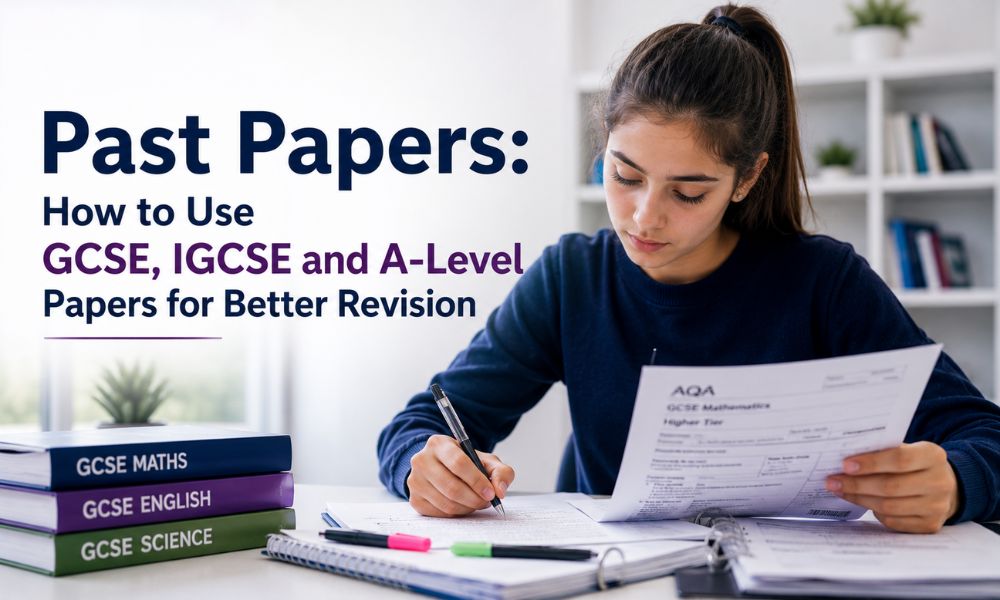
Past papers are one of the most powerful revision tools for students preparing for GCSE, IGCSE and A-Level exams. They show you how real exam questions are written, how marks are awarded and how much detail examiners expect. Used properly, past papers can help students improve timing, confidence, exam technique and subject knowledge.
The problem is that many students use past papers too late or use them in the wrong way. They download a paper, answer a few questions, check the score and move on. That can help a little, but it misses the real value. A past paper is not just a test; it is a map of what you need to revise next.
At Merit Study Resources, students, parents and tutors can access organised study materials, revision resources and past paper support for exam preparation. This guide explains how to use past papers properly so every paper helps you make measurable progress.
What Are Past Papers?
Past papers are exam papers from previous years or previous exam sessions. They are usually published by exam boards after the exam series has finished. Students use them to practise real exam-style questions before sitting their own exams.
For UK students, past papers are commonly used for GCSE, IGCSE, AS Level and A-Level revision. They may come with mark schemes, examiner reports and sometimes sample answers. Together, these resources help students understand not only what to answer, but how examiners award marks.
There are many types of past papers. GCSE past papers help Year 10 and Year 11 students prepare for core subjects such as Maths, English and Science. IGCSE past papers are often used by international students, independent learners and schools following Cambridge or Pearson Edexcel International GCSE courses. A-Level past papers support older students preparing for advanced subjects and university entry.
Why Past Papers Matter
Past papers matter because they turn revision from passive reading into active practice. Reading notes can help you remember facts, but exams require you to apply knowledge under pressure. Past papers train that skill.
They also reveal weak areas quickly. A student may feel confident after revising algebra, but a GCSE Maths past paper may show that they struggle with multi-step ratio or graph questions. A student may understand a Biology topic in class, but a Science past paper may reveal that they are missing key terms needed for the mark scheme.
Past papers also help students become familiar with command words such as explain, describe, compare, evaluate and calculate. These words tell students what the examiner expects. Once students understand the question style, they can answer more accurately and avoid wasting time.
Use Mark Schemes Properly
A past paper without a mark scheme is only half useful. Mark schemes show how marks are awarded and what examiners are looking for. They are especially important for subjects where method, key terms or structure matter.
In Maths, a student may earn method marks even if the final answer is wrong. In Science, a mark scheme may require a specific keyword or explanation. In English, assessment objectives show whether the examiner is looking for analysis, comparison, evaluation, structure or accuracy.
When marking your work, be strict. Do not give yourself a mark because your answer is "close enough" unless the mark scheme allows it. The aim is not to feel good about the score; the aim is to learn how to improve.
Students can also check official exam-board sources such as AQA past papers and mark schemes, Pearson Edexcel past papers and the OCR past paper finder for original papers and assessment materials.
GCSE Past Papers
GCSE past papers are useful for students preparing for Maths, English, Science, History, Geography and many other subjects. They help students understand the structure of the exam and practise applying knowledge to real questions.
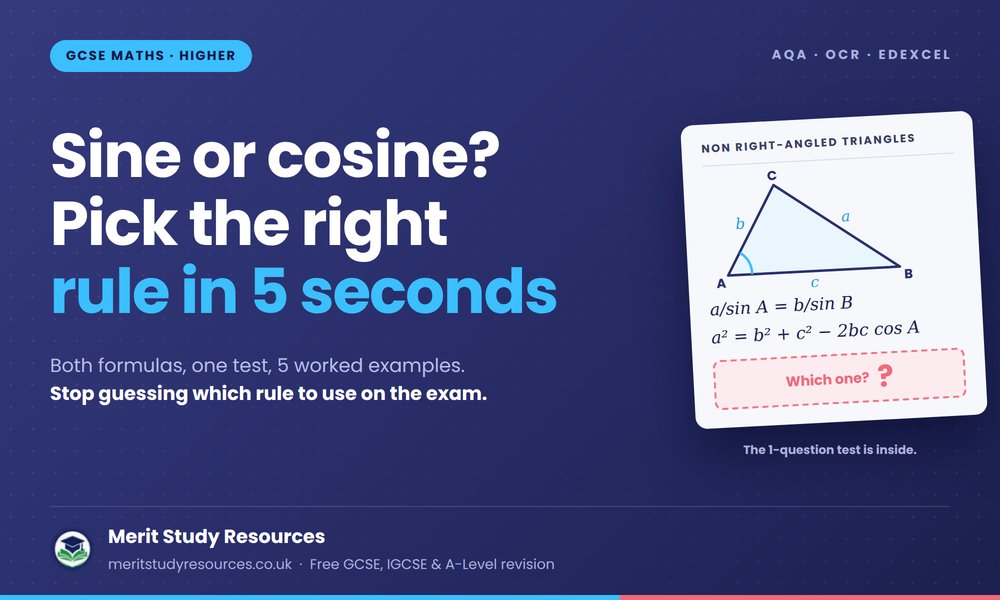
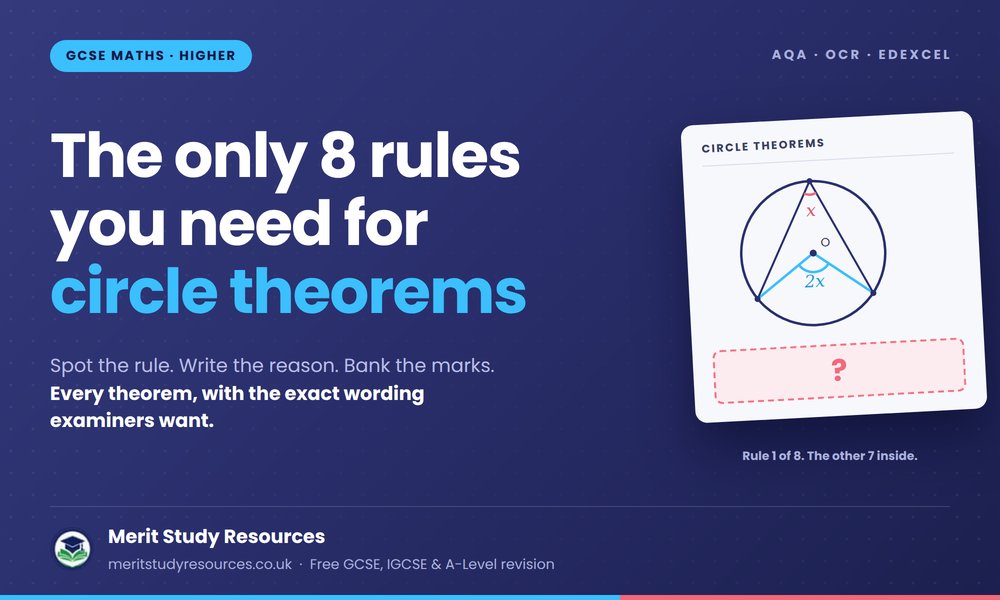
For GCSE Maths, past papers are especially valuable because students need both method and accuracy. Foundation students can use past papers to build confidence with number, ratio, algebra, graphs, geometry, probability and statistics. Higher students can use them to practise more demanding problem-solving, trigonometry, circle theorems, vectors and advanced algebra.
For GCSE English, past papers help students practise reading carefully, planning answers and writing under time pressure. For GCSE Science, past papers help students apply knowledge to practical scenarios, graphs, calculations and longer written responses.
The best approach is to combine full GCSE past papers with topic practice. If you keep losing marks on one topic, do not simply complete another full paper. Pause, revise that topic, practise focused questions and then return to exam-style practice.
IGCSE Past Papers
IGCSE past papers are important for students following Cambridge International, Pearson Edexcel International GCSE or similar programmes. They are often used by international schools, independent learners and students preparing outside the standard UK school route.
IGCSE papers can vary by exam board, subject and specification, so it is important to check that the paper matches your course. A Cambridge IGCSE Maths paper is not the same as a Pearson Edexcel International GCSE Maths paper. The topics may overlap, but the exam style and structure can be different.
Students using IGCSE past papers should pay close attention to the syllabus code, year, paper number and variant. This helps avoid wasting time on the wrong material. If you are unsure which paper to use, ask your teacher, tutor or exam centre before starting.
A-Level Past Papers
A-Level past papers are essential for students aiming for higher grades and university entry. At A-Level, exam questions often test deeper understanding, longer reasoning and the ability to connect topics.
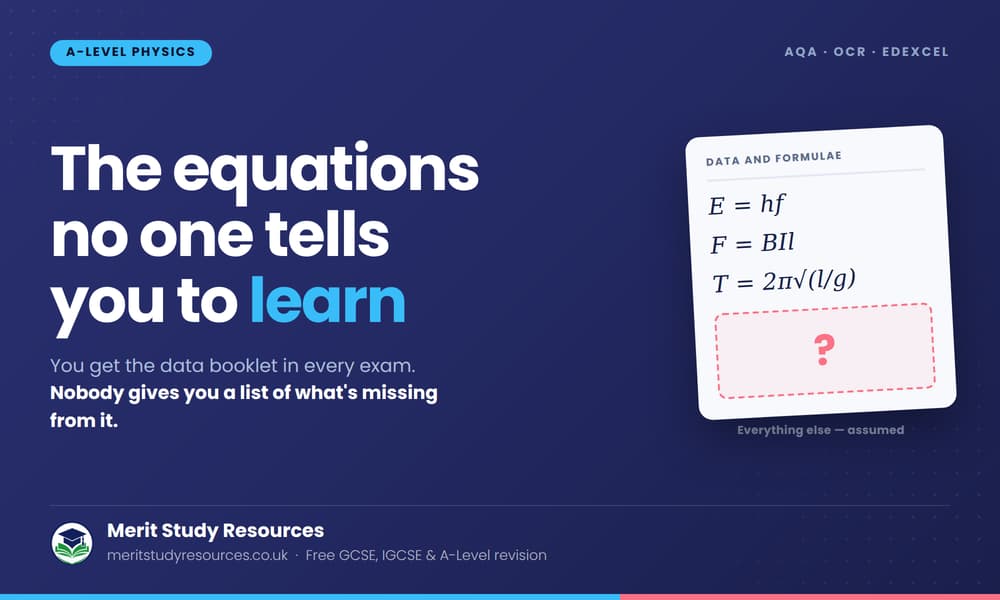
For A-Level Maths and Sciences, past papers help students practise multi-step problems, data analysis and application questions. For essay-based subjects, they help students practise structure, argument and timing. For subjects like Biology, Chemistry and Physics, examiner reports can be especially useful because they explain common mistakes and weak answers.
A-Level students should start past paper practice early enough to identify gaps. Waiting until the final weeks can create stress because there may not be enough time to fix deeper problems.
Past Papers by Topic
Past papers by topic are one of the best ways to revise weak areas. Instead of completing a full paper, students practise questions from one topic across different years. This is useful because it helps students see how the same topic can appear in different forms.
For example, a student revising GCSE Maths ratio can practise ratio questions from several past papers. A student revising Chemistry rates of reaction can practise similar questions from different exam series. This builds confidence before moving back to full timed papers.
Topic practice is also useful for tutors and parents because it makes progress easier to track. If a student struggles with a topic, you can return to that area until the method becomes secure.
How Many Past Papers Should You Do?
There is no perfect number. Quality matters more than quantity. Completing ten papers without reviewing mistakes is less useful than completing three papers carefully and learning from every lost mark.
A good routine is to start with topic practice, then move to full papers. In the early stage of revision, use past papers to identify weak topics. In the middle stage, use topic questions and worksheets to improve those areas. In the final stage, complete full papers under timed conditions.
After each paper, create a mistake list. Write down the topic, the type of error and what you need to revise. This turns every past paper into a personalised revision plan.
Common Past Paper Mistakes
One common mistake is using the wrong exam board. AQA, Edexcel, OCR and Cambridge papers can have different structures and specifications. Always check your board before using a paper.
Another mistake is marking too generously. Students sometimes give themselves marks for answers that are close but not accurate enough. Be honest with the mark scheme. It is better to lose the mark during revision and learn from it than lose it in the real exam.
Some students also repeat papers too quickly. If you remember the answer from last time, you may not be testing real understanding. Leave enough time between attempts and focus on correcting the method, not memorising the final answer.
Build a Smarter Revision Routine
A simple weekly routine can make past paper revision more effective. Choose one subject, complete a set of topic questions, mark them, correct mistakes and then attempt a timed section from a full paper. At the end of the week, review your mistake list and choose the next weak area to revise.
Parents can help by making sure students mark papers properly and revisit mistakes. Tutors can use past papers to identify gaps and plan lessons. Students can use them to build confidence and reduce exam anxiety.
The goal is not just to finish more papers. The goal is to become better at answering exam questions.
Find Past Papers and Revision Resources
If you are looking for past papers, mark schemes, worksheets and revision support, Merit Study Resources can help you prepare in a more organised way. The site includes thousands of resources for students, parents and tutors, including past papers, worksheets, homework booklets and classwork materials.
Use official exam-board websites for original papers, then use structured revision resources to practise weak topics, build confidence and prepare more effectively. With the right routine, past papers can become one of the clearest ways to improve your exam performance.
FAQs
What are past papers?
Past papers are real exam papers from previous exam sessions. Students use them to practise exam-style questions and understand how exams are structured.
Are past papers good for revision?
Yes. Past papers are very useful because they help students practise timing, question style, exam technique and topic application.
Should I use past papers with mark schemes?
Yes. Mark schemes show how marks are awarded and help students understand what examiners expect.
Are GCSE and IGCSE past papers the same?
No. GCSE and IGCSE papers can have different exam boards, specifications and question styles. Always use papers that match your course.
How should I revise with past papers?
Start with topic practice, then complete full papers under timed conditions. Mark your answers carefully and use mistakes to plan your next revision session.
Ready to try it? Every paper in the library comes with its mark scheme and a
worked solution, so you can practise without hunting for files.
Find past papers