You wouldn’t believe how many times I’ve seen students’ eyes glaze over at the mention of “animal cell.” Honestly, I get it. On the surface, it sounds…clinical. But here’s the truth: animal cells are the building blocks—little living bubbles—behind every movement, memory, and heartbeat you’ll ever experience. As someone who’s spent more than a decade walking the chalk-dusty corridors of UK schools, I’ve seen first-hand how understanding animal cells can make other topics suddenly click into place.
Let’s skip the textbook jargon for a sec. You want to actually understand, not just memorise. And maybe, just maybe, remember it for more than the next quiz. So, grab your imaginary lab coat, and let’s walk through this together—imperfections, random thoughts, and all.
What Is an Animal Cell?
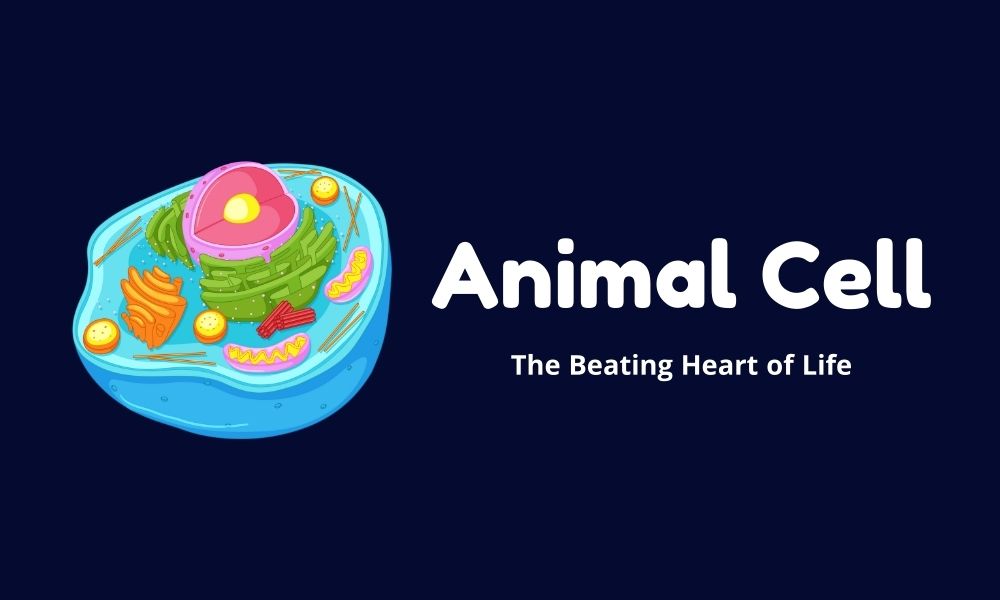
An animal cell is one of those tiny bits that come together to build all living animals—us included. You really can’t spot one without a microscope, but don’t be fooled by the size; each cell is full of important parts that work hard to keep you alive and well. Unlike plant cells, animal cells don’t have those stiff outer walls or the green stuff called chloroplasts that help make food from sunlight. Instead, there’s a soft, flexible covering called the cell membrane. That layer acts like a border, letting in what the cell needs and blocking out what it doesn’t.
If you could look inside, you’d mostly see something jelly-like—this is called cytoplasm, and it’s where the cell’s daily chores get done. Right in the center is the nucleus, which you might call the cell’s headquarters. That’s where the DNA lives, telling the cell exactly what to do. Dotted all around are little energy factories called mitochondria, making fuel from the food you eat. You’ll also find ribosomes, which build proteins the body depends on, and tiny helpers like the endoplasmic reticulum and Golgi apparatus, constantly moving things where they need to go. All together, these parts let the cell grow, repair itself, and do its job in your body.
Animal cells don’t all look alike—they’re shaped by the work they do. Blood cells are small and round so they travel easily in your veins, but nerve cells can be long and stringy because their job is to carry signals around your body. No matter the shape, every animal cell works side by side with millions more, quietly keeping the whole animal healthy and ticking along.
Main Components of an Animal Cell
Cell Membrane
Honestly, this is the security guard. Thin, slightly wobbly, but absolutely essential. It decides what comes in (like oxygen, nutrients) and what gets booted out (waste, toxins). Sometimes students call it a “wall”—I gently remind them it’s more “doorman than fortress.”
Cytoplasm
Imagine a watery soup—mostly clear, but full of floating tools and ingredients. That’s cytoplasm. Not just filler; it’s where all the action happens. If something exciting (or messy) is going on, it’s probably here.
Nucleus
Ah, the famous “brain” of the cell. Personally, I always say it’s more like the main office than a brain. Stores the DNA—your body’s recipe book. Tells the rest of the cell what to do and when.
Mitochondria
Now it’s getting serious. These little sausage-shaped wonders—students love to call them “beans”—are the cell’s powerhouses. They turn food into energy. No mitochondria, no move, no think, no nothing. To be fair, sometimes I wish I had a few spares on parents’ evenings.
Ribosomes
Tiny dots, scattered everywhere—either floating or attached to the endoplasmic reticulum (more on that in a sec). Their job? Make protein, plain and simple. Think of them as the cell’s chef, constantly rustling up recipes.
Endoplasmic Reticulum (ER)
Honestly, this bit always trips people up. I call it “the cell’s delivery van and packaging centre.” The rough kind (with ribosomes) assembles proteins, the smooth kind makes lipids (fats) and detoxifies things. Some students remember it by “rough road, busy with chefs.”
Golgi Apparatus
A mouthful, isn’t it? Just say “Golgi” if you want. It’s the cell’s sorting office, packaging proteins and sending them where they need to go, inside or outside the cell.
Lysosomes
The cell’s bin men (sorry, “waste disposal and recycling crew”). They break down old cell parts or invaders. When students groan about cleaning their room, I mention lysosomes—they never forget after that.
Real-Life Reflections and Handy Tips
When I think back, revision sessions about animal cells often fell apart until I got out the playdough. Yep—playdough, in every colour of the rainbow. Students built the cell, organelle by organelle, and suddenly “nucleus” wasn’t just a word. It was a yellow ball, smack in the centre.
Another time, I nearly lost my voice explaining how mitochondria powered the cell. So, I shouted, “Try holding your breath for a minute!” The gasps after told me they’d never forget what happens when your cells stop making energy.
Honestly? A bit of imagination and silliness go a long way.
Practical Tips for Remembering Animal Cell Parts
- Draw it from memory, then label it—mistakes are fine.
-
Make flashcards—one per part.
-
Use silly analogies (rubbish truck for lysosome, chef for ribosome).
-
Teach someone else in your family—even your gran.
-
If allowed, build one (no one forgets the playdough trick).
-
Find online quizzes (don’t worry, a wrong answer now is a lesson, not a failure).
Conclusion (Animal Cell)
To sum up, the animal cell isn’t just biology exam fodder. It’s the tiny engine room behind everything you do, feel, or think. Whether you’re sitting a GCSE, prepping for A Levels, or just trying to make sense of your own body, understanding the animal cell gives you a genuine head start. And… if you ever get stuck, remember: teachers are still figuring out clever ways to explain it, too.
FAQs
Q: What is the main function of an animal cell?
A: To support life! Animal cells control growth, make energy, and keep you alive.
Q: Do plants and animal cells look the same?
A: Not quite—plants have extra parts like cell walls and chloroplasts.
Q: Why do I need to know about animal cells?
A: They’re the building blocks for all animals, including you.
Q: Is the nucleus really the “brain” of the cell?
A: It’s more like the boss giving out orders, but yes, close enough.
Q: How can I memorise cell parts?
A: Sketch, quiz, use analogies, or build one—you’ll remember!
Ready to try it? Every paper in the library comes with its mark scheme and a
worked solution, so you can practise without hunting for files.
Find past papers