Every year, thousands of GCSE students download past papers. Yet many see little improvement.
Why?
Because they treat past papers as something to “complete” — not something to learn from.
Used properly, GCSE past papers are one of the most powerful revision tools available. Used incorrectly, they become just another worksheet.
If you want your practice to translate into real exam performance, this guide explains exactly how to use past papers for GCSE in 2026 — strategically, confidently, and effectively.
Why GCSE Past Papers Matter More Than You Think
Textbooks teach content.
Past papers teach performance.
When students practise using real exam papers, they learn:
-
How questions are actually structured
-
What examiners reward with marks
-
How to manage time under pressure
-
Which topics appear repeatedly
-
Where their true weaknesses are
This shift — from learning content to training for the exam — is what separates average results from strong grades.
When Should You Start Using GCSE Past Papers?
Timing matters.
A sensible GCSE revision timeline looks like this:
January–February
Focus on topic-based questions and building understanding.
March–April
Start completing full past papers under timed conditions.
May–June
Use past papers for refinement, speed, and confidence building.
Always align your practice with the official GCSE exam timetable so you prioritise subjects with earlier exam dates.
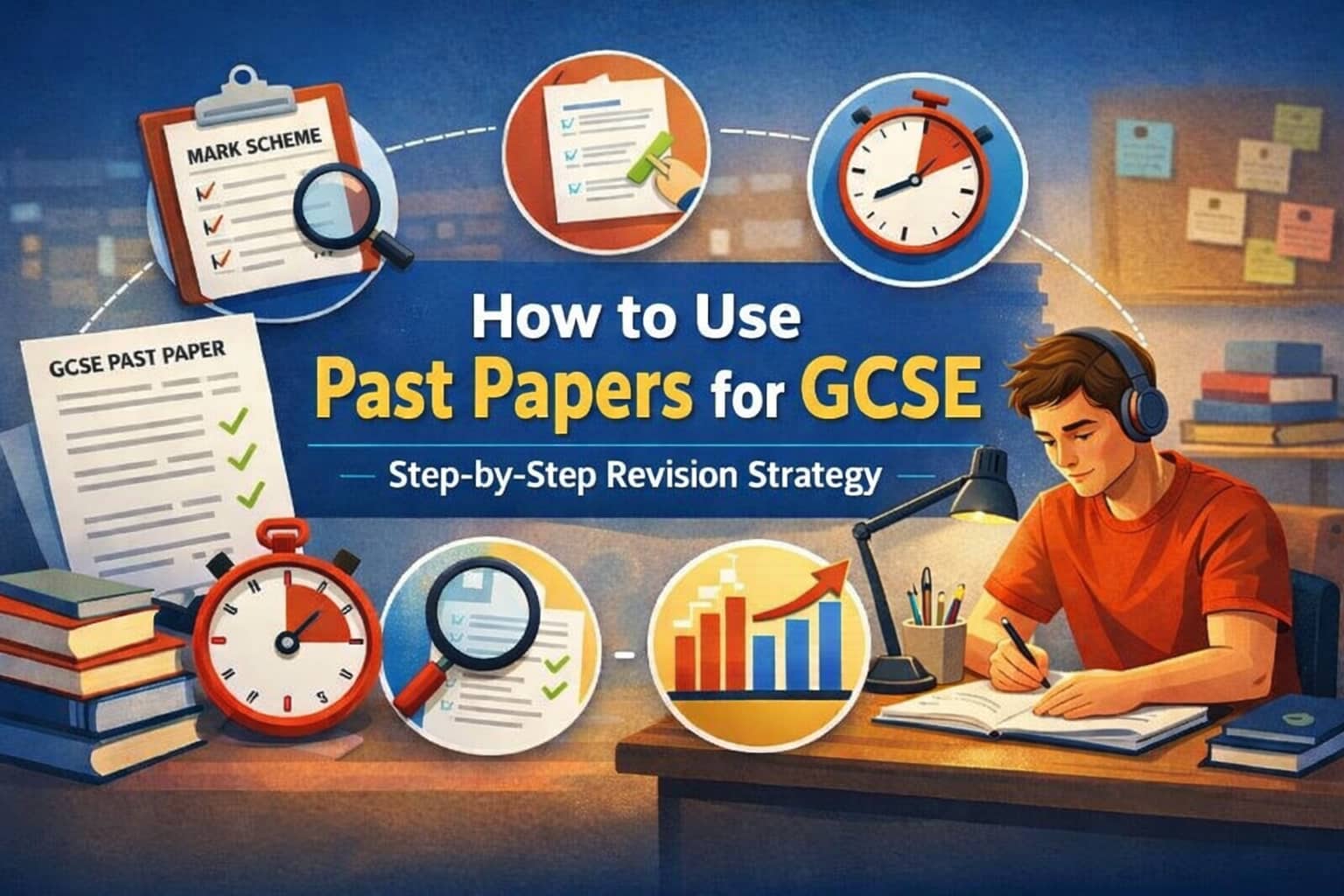
The Proven 4-Step Method for Using GCSE Past Papers
Simply “doing papers” is not enough.
Use this structured process instead:
Step 1: Attempt Under Real Exam Conditions
When completing a past paper:
-
Work in a quiet space
-
Follow the official time limit
-
Do not use notes or textbooks
-
Use the correct equipment
This builds stamina and prepares you mentally for exam day.
Step 2: Mark With the Official Mark Scheme
After finishing:
-
Compare answers carefully
-
Check how marks are awarded
-
Notice wording and structure
Do not just check final answers. GCSE exams often award marks for method, explanation, and reasoning.
This stage is where real learning begins.
Step 3: Analyse Mistakes Honestly
Ask yourself:
Write down repeated errors. Patterns reveal what needs attention.
Step 4: Improve and Reattempt
After revising weak areas:
This cycle:
Attempt → Mark → Analyse → Improve → Reattempt
is what turns practice into progress.
Subject-Specific Advice for GCSE Past Papers
Different subjects require slightly different strategies.
GCSE English
-
Practise full essays under timed conditions
-
Focus on structure and clarity
-
Compare your answers to examiner reports
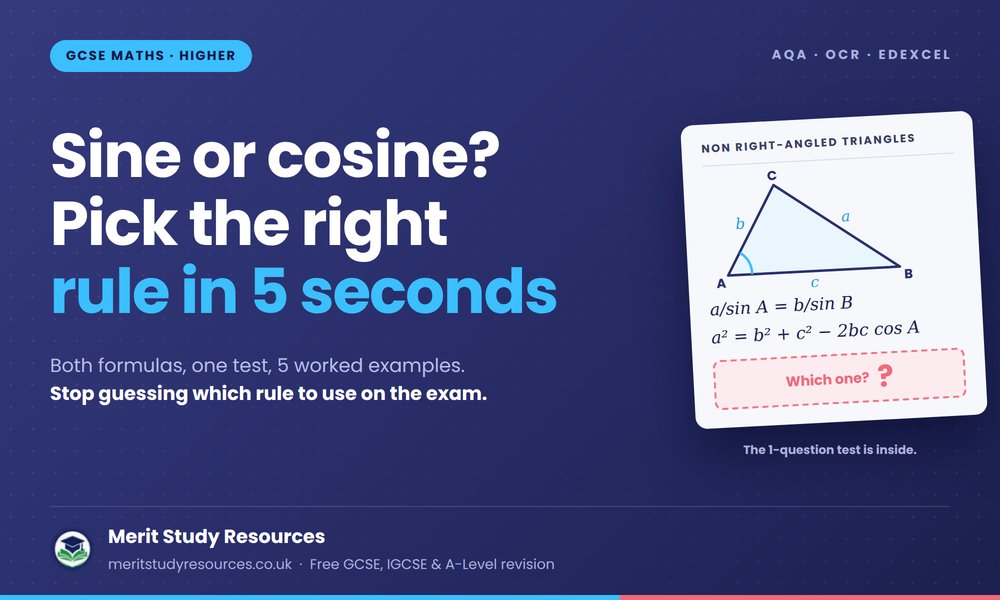
GCSE Maths
GCSE Science
-
Understand command words (describe, explain, evaluate)
-
Practise calculation-based questions
-
Review required practical knowledge
Tailoring your approach increases efficiency.
How Many Past Papers Should You Complete?
There is no perfect number.
A realistic target:
Completing five papers without feedback is less effective than two papers analysed properly.
Using Past Papers as a Private Candidate or Resit Student
If you are studying independently, past papers provide structure and clarity.
They allow you to:
Many private candidates improve results significantly by combining past papers with structured GCSE revision support.
Common Mistakes to Avoid
Students often reduce the effectiveness of past papers by:
-
Skipping mark scheme analysis
-
Memorising model answers
-
Repeating the same paper too frequently
-
Practising without timing
-
Avoiding difficult questions
The goal is improvement, not comfort.
Staying Consistent During GCSE Revision
Motivation naturally rises and falls.
To stay consistent:
-
Set weekly targets
-
Track improvements in scores
-
Focus on progress, not perfection
-
Study in short, focused sessions
Small, regular improvement builds long-term success.
Frequently Asked Questions
Are GCSE past papers free to use?
Yes. Most exam boards publish past papers and mark schemes online.
Should I practise older papers?
Yes. Older papers are excellent for skill-building and exposure to different question styles.
Can I use past papers without a teacher?
Yes, if you use official mark schemes carefully and review mistakes honestly.
Are past papers enough to pass GCSE?
Past papers are essential, but they work best when combined with structured revision and feedback.
Helpful Next Steps
Final Advice
GCSE success is not about how many hours you revise. It is about how effectively you practise.
If you use past papers strategically — with timing, reflection, and targeted improvement — your confidence and grades will improve steadily.
Treat every paper as training. Learn from every mistake. Improve step by step.
Strong results are built through smart preparation.
Ready to try it? Every paper in the library comes with its mark scheme and a
worked solution, so you can practise without hunting for files.
Find past papers