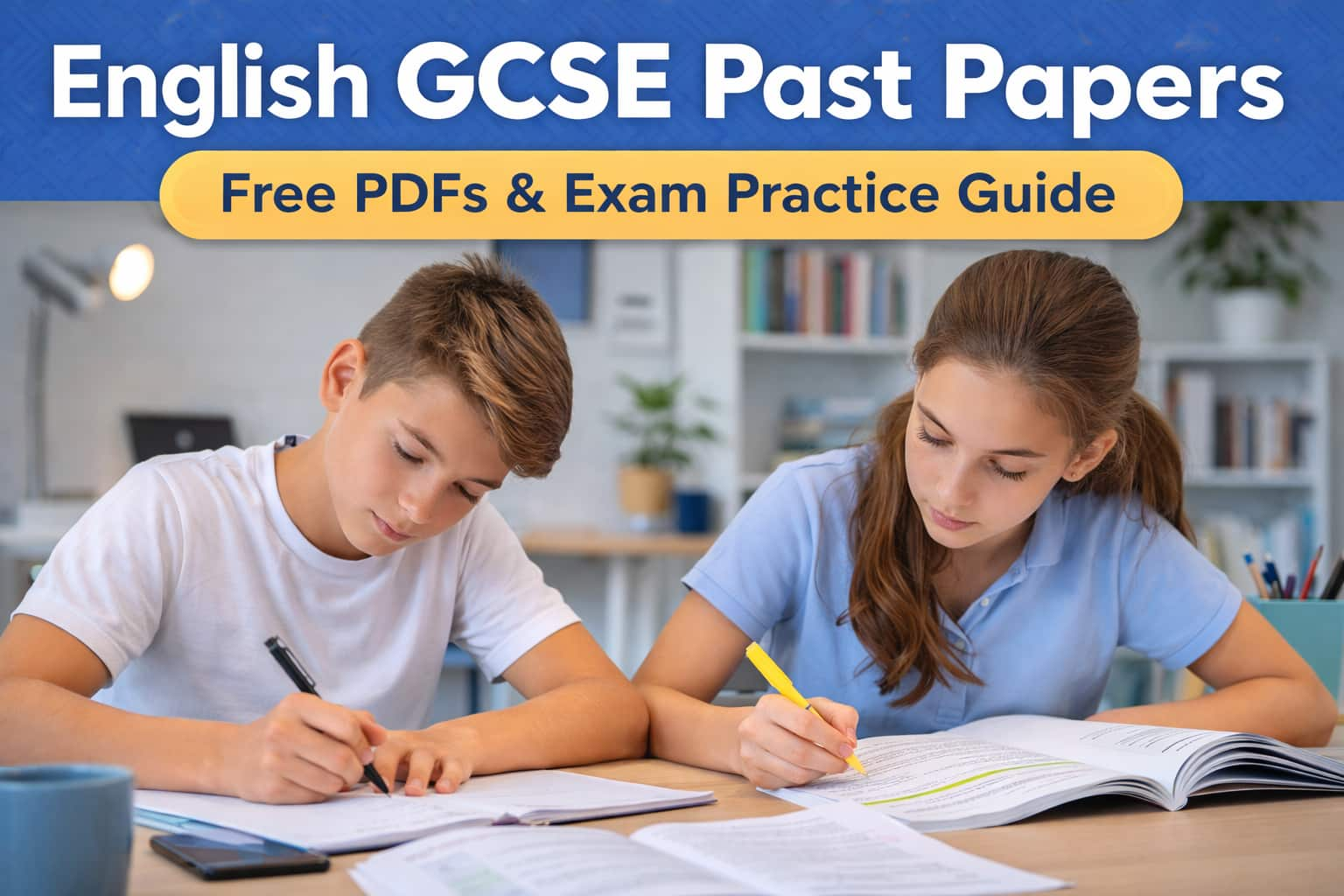
Practising with English GCSE past papers is one of the most effective ways to prepare for the GCSE English Language exam. Past papers help students understand the real exam format, question style, and time pressure — all of which are difficult to learn from textbooks alone.
Whether you are a school student, private candidate, adult learner, or resitting GCSE English, using past papers correctly can significantly improve your confidence and final grade.
This guide explains why English GCSE past papers matter, how to use them properly, and how they fit into an effective revision plan.
Why English GCSE Past Papers Are Essential
Students who regularly practise GCSE English past papers are more likely to:
-
Understand how questions are structured
-
Manage exam time effectively
-
Learn what examiners look for in answers
-
Reduce stress on exam day
Past papers show you exactly how marks are awarded, not just what topics to revise.
What Is Included in English GCSE Past Papers?
Most GCSE English Language past papers include:
-
Reading comprehension tasks
-
Language analysis questions
-
Extended writing responses
-
Time-managed sections
By practising past papers, you learn:
-
How long to spend on each section
-
How to structure written answers
-
How to meet assessment objectives clearly
English GCSE Past Papers by Exam Board
English GCSE papers are set by different exam boards. While the skills tested are similar, question wording and structure can vary.
Common exam boards include:
-
AQA
-
Pearson Edexcel
-
OCR
-
Eduqas / WJEC
You should always practise past papers that match your registered exam board, such as AQA, Edexcel, OCR, or Eduqas. For ready-to-use English GCSE past papers with mark schemes, visit our comprehensive practice hub here.
How to Use English GCSE Past Papers Effectively
Simply downloading past papers is not enough. To get real benefit, follow this process:
1. Practise under exam conditions
-
No notes
-
Timed environment
-
Quiet space
2. Review with mark schemes
Use official mark schemes to understand:
-
Where marks are gained
-
Why answers lose marks
3. Improve weak areas
Focus on:
-
Question types you struggle with
-
Writing structure and clarity
-
Vocabulary and sentence control
This approach turns past papers into active exam training, not passive practice.
When Should You Start Using Past Papers?
The best time to start practising English GCSE past papers is after you understand the basic exam format.
As exams approach, past papers should become a regular part of your revision routine, especially when preparing around confirmed exam dates such as those listed in the GCSE exam timetable 2026 UK.
Past Papers for Private Candidates and Resit Students
Past papers are especially valuable for:
They provide structure and clarity when studying independently without daily classroom support.
Many candidates improve results further by combining past paper practice with expert GCSE revision support.
Common Mistakes Students Make with Past Papers
Avoid these common mistakes:
Quality practice matters more than quantity.
Final Tips for English GCSE Exam Practice
-
Use a mix of recent and older papers
-
Practise writing full answers
-
Review mistakes honestly
-
Focus on improvement, not perfection
Past papers are not just revision — they are exam preparation tools.
Frequently Asked Questions (English GCSE Past Papers)
Are English GCSE past papers free to use?
Yes. Most English GCSE past papers are available for free and can be used for revision and exam practice.
Which English GCSE past papers should I practise?
You should practise past papers that match your exam board, such as AQA, Edexcel, OCR, or Eduqas.
How many English GCSE past papers should I complete?
Completing a smaller number of past papers with full review is more effective than rushing through many papers.
Are past papers enough to pass GCSE English?
Past papers are essential, but combining them with structured revision and feedback gives the best results.
🔗 Helpful Next Steps
Book your GCSE exams as a private candidate
Ready to try it? Every paper in the library comes with its mark scheme and a
worked solution, so you can practise without hunting for files.
Find past papers