Discover the essential role that AQA past papers play in effective exam preparation through this comprehensive analysis. This article offers in-depth insights, practical strategies, and expert guidance to help students and educators maximize their study efforts and achieve academic success. Unlock the full potential of past papers as a valuable resource for mastering exam content and boosting confidence.
Understanding the Significance of AQA Past Papers in Exam Success
The Role of Past Papers in Academic Preparation
AQA past papers are an invaluable resource for students preparing for GCSE and other qualification exams under the AQA exam boards. These exam papers provide authentic practice opportunities that mirror the structure, style, and content of actual assessments. By engaging with past papers, students can familiarize themselves with the types of questions they will encounter, develop effective exam techniques, and build confidence in their knowledge.
Benefits of Using AQA Past Papers for Students and Educators
For students, practicing with AQA exam papers enhances understanding of the subject matter, whether it’s mathematics, physics, chemistry, biology, or computer science. It allows for targeted revision of weak areas and reinforces learning through application. Educators benefit from access to a wide range of exam papers, enabling them to design tailored lessons, identify common student misconceptions, and track progress over time.
How Past Papers Reflect AQA Examination Standards and Expectations
AQA exam papers are carefully designed to reflect the current GCSE syllabus, including the AQA GCSE maths papers and other subject-specific papers. They embody the standards and expectations set by the exam boards, ensuring that students are practicing in an environment that closely resembles the actual exam setting. This alignment helps students develop the necessary skills to excel and meet the grading criteria, including understanding mark schemes and examiner reports.
Strategies for Maximizing the Use of AQA Past Papers
Developing a Structured Study Plan Incorporating Past Papers
Creating a comprehensive revision timetable that integrates past papers is essential. Allocate specific sessions for practicing exam papers, focusing on different topics such as mathematics, physics, chemistry, biology, or computer science. For example, students preparing for AQA GCSE maths papers should schedule regular practice of AQA GCSE maths papers, including both foundation tier and higher tier, to ensure balanced coverage.
Techniques for Effective Practice and Self-Assessment
When working through past papers, simulate exam conditions by timing yourself and avoiding distractions. Use the AQA mark schemes to assess your answers critically, understanding where points were awarded or lost. This process helps improve exam technique and highlights areas needing further revision. Additionally, reviewing examiner reports can provide insights into common pitfalls and expectations.
Identifying Common Question Types and Exam Patterns
Analyzing past papers reveals recurring question formats, such as multiple-choice, short-answer, and extended response questions. Recognizing these patterns enables students to anticipate question styles and develop appropriate strategies. For instance, in AQA GCSE maths, understanding typical problem-solving questions and their mark schemes can streamline your approach during the exam.
Leveraging Mark Schemes and Examiner Reports for Better Understanding
Mark schemes serve as a guide to what examiners look for in a high-quality answer. Studying these alongside past papers helps clarify how marks are allocated and what constitutes a complete response. Examiner reports often highlight common mistakes and misconceptions, which students should aim to avoid in their own practice.
Analyzing Trends and Insights from AQA Past Papers
Examining Recurrent Themes and Topics Across Years
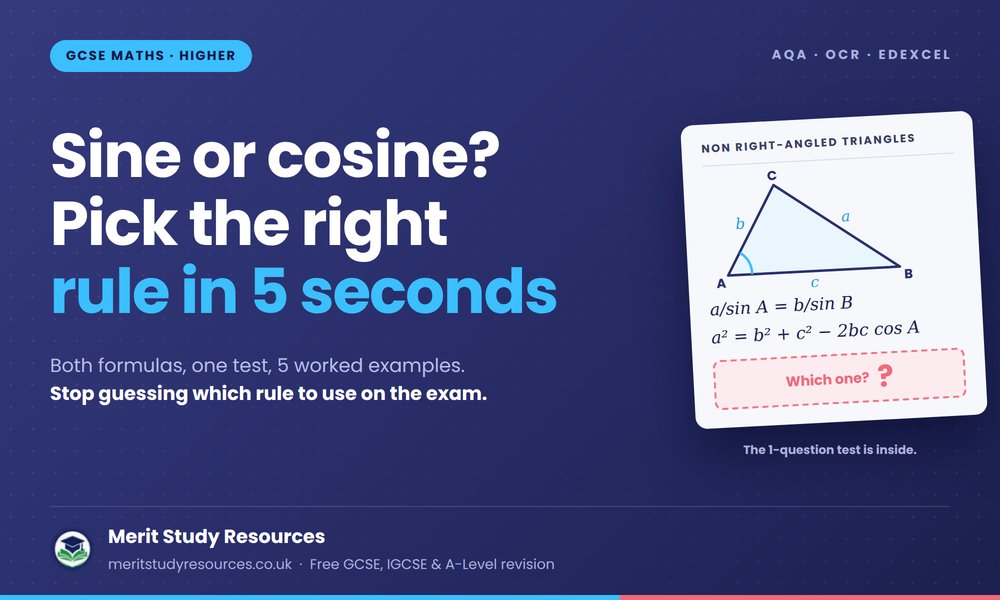
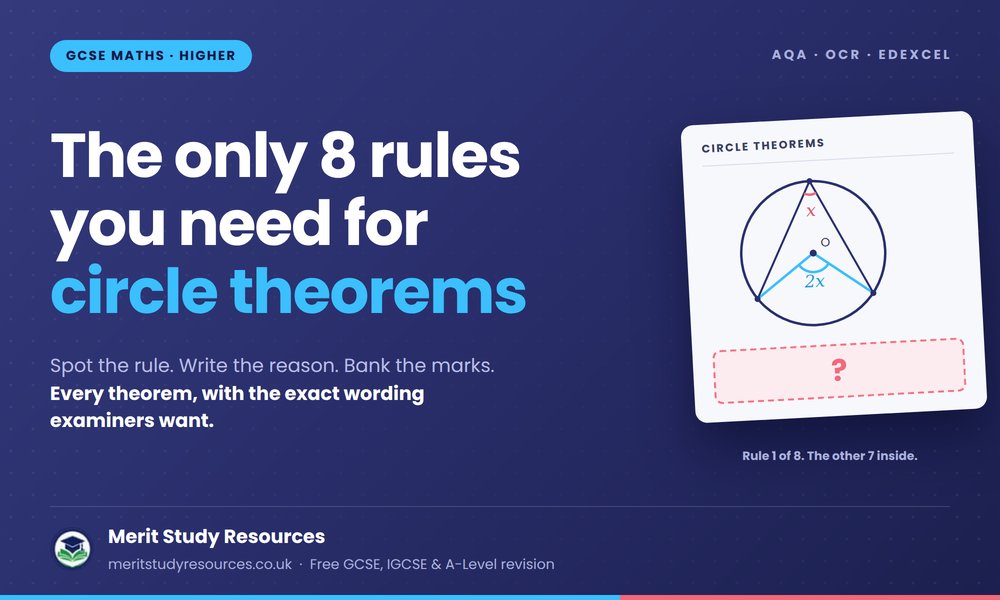
A thorough past paper analysis reveals themes that frequently appear, such as core concepts in mathematics, physics, chemistry, biology, or computer science. For example, in the AQA GCSE higher maths syllabus, topics like algebra, geometry, and calculus often recur. Recognizing these allows students to prioritize revision on high-yield areas.
Recognizing Changes in Question Styles and Difficulty Levels
Over the years, question styles may evolve, reflecting updates in the syllabus or examiner preferences. Comparing AQA GCSE maths papers from different years can help students adapt their exam technique to new formats and difficulty levels, ensuring they are well-prepared for any changes.
Using Past Paper Data to Predict Future Exam Focus Areas
By analyzing trends, students and educators can anticipate future exam focus areas. For instance, if certain topics like mathematics physics chemistry biology are consistently emphasized, revision can be tailored accordingly. This strategic approach maximizes revision efficiency and improves exam readiness.
Case Studies: Successful Revision Approaches Using Past Papers
Many students have achieved top grades by integrating past paper practice into their revision. For example, a student preparing for AQA GCSE higher maths might focus on practicing AQA GCSE maths papers, reviewing mark schemes, and analyzing examiner reports to refine their exam technique. Such targeted revision often results in improved confidence and performance.
Practical Tips for Students and Educators
Best Practices for Timed Practice Sessions
Practicing under timed conditions helps develop time management skills crucial for exam day. Start with untimed practice to build familiarity, then gradually introduce timing to simulate real exam scenarios. Use a stopwatch or timer to ensure adherence to the allocated time per question.
Incorporating Past Papers into Classroom and Home Study
Teachers can assign specific exam papers as homework or classwork, encouraging collaborative analysis and discussion. Students should integrate past papers into their daily study routines, focusing on weak areas identified through practice using free GCSE revision resources.
Addressing Common Challenges and Mistakes in Past Paper Practice
Common issues include misreading questions, poor time management, and neglecting mark schemes. To overcome these, students should carefully read each question, allocate time wisely, and review model answers to understand what examiners expect.
Additional resources such as online practice questions, revision guides, and interactive quizzes can complement past paper practice. Download exam paper PDFs from AQA past paper resources to access the latest materials. For comprehensive preparation, utilize resources covering the AQA GCSE syllabus, including maths, physics, chemistry, biology, and computer science.
Conclusion
AQA past papers are a cornerstone of effective exam preparation, offering authentic practice, insight into exam standards, and opportunities for self-assessment. By developing strategic revision plans, analyzing trends, and leveraging mark schemes and examiner reports, students can significantly enhance their exam technique and confidence. Educators play a vital role in guiding students through this process, ensuring they utilize these resources to their fullest potential. Ultimately, integrating past paper practice into a structured study approach is key to achieving student success and mastering the content across subjects like mathematics, physics, chemistry, biology, and computer science.
Ready to try it? Every paper in the library comes with its mark scheme and a
worked solution, so you can practise without hunting for files.
Find past papers