GCSE past papers come up in almost every conversation about revision, and for good reason. They give you a realistic feel for what the real exam will look like and how questions are actually asked.
However, many students either ignore them until the last few weeks or use them in a rushed, unplanned way. This blog looks at how to use GCSE past papers intelligently so they genuinely improve your grades rather than just ticking another box.
What Are GCSE Past Papers?
GCSE past papers are real exam papers from previous years, published by official exam boards such as OCR, Edexcel, AQA, Cambridge. They usually come with mark schemes and, sometimes, examiners’ reports explaining common mistakes and how marks were awarded.
These aren’t random practice questions; they are direct examples of what has appeared in actual exams. That makes them one of the most reliable ways to understand exam style, question wording, and the level of detail expected in answers.
Why GCSE Past Papers Are So Valuable
Used well, GCSE past papers can change the way a student approaches revision. They highlight which topics are secure, which need more work, and how strong exam technique really is.
Some key benefits include:
-
Seeing genuine past questions instead of guessing what might come up.
-
Improving timing, stamina, and focus under exam-style conditions.
-
Spotting patterns in question types and frequently examined topics.
In many cases, students who regularly use past papers feel calmer and more familiar with the format long before exam season begins.
How to Use GCSE Past Papers Effectively
Start with Sections, Not Full Papers
Jumping straight into full timed papers can feel overwhelming, especially early in Year 11. A more manageable approach is to begin with topic-based or section-based practice, then move to full papers later.
For example, a student might focus only on algebra questions in maths or specific reading questions in English before attempting entire papers. This keeps practice targeted and reduces frustration when certain areas still need work.
Use Official Exam Board Papers and Mark Schemes
Whenever possible, use official exam board materials so the style closely matches the real exam. Popular sources include:
-
AQA past papers on the AQA website.
-
Edexcel (Pearson) past papers via the Pearson qualifications site.
-
OCR past papers and related resources.
On top of that, organised collections on platforms like Merit Study Resources make it easier to find GCSE past papers grouped by subject, year, and exam board rather than searching multiple sites one by one.
Always Mark and Review Your Work
Completing a past paper is only half the job. The real progress comes from marking and reviewing it carefully.
A simple three-step process works well:
-
Answer the questions or full paper without looking at the mark scheme.
-
Mark each question honestly using the official mark scheme.
-
Note where marks were lost and why: missing detail, weak content knowledge, misreading the question, or poor structure.
This turns each past paper into a learning exercise instead of just a score.
Real-Life Example: When Past Papers Start to “Click”
Many students report the same turning point: after completing several past papers in the same subject, the questions start to feel familiar. The wording becomes easier to understand, and common themes begin to stand out.
For example, a student revising GCSE maths might notice that similar algebra or graph questions appear year after year, just with different numbers. In English, certain types of analysis or comparison question repeatedly show up in various forms. Once this pattern is recognised, revision becomes more focused and strategic.
Common Mistakes with GCSE Past Papers
Treating Past Papers as a Last-Minute Fix
One typical mistake is leaving past papers until the final few weeks before exams. This puts unnecessary pressure on students and doesn’t allow time to learn from mistakes.
Bringing them into revision earlier in the year—even in small chunks—gives more time to improve weaker areas and build exam confidence gradually.
Skimming the Mark Schemes
Another issue is skimming or half-reading mark schemes. Mark schemes show what examiners accept as a correct answer and how marks are divided between points.
Reading them carefully reveals useful patterns, such as:
-
Key phrases or points that consistently earn marks.
-
The amount of detail needed for short versus long questions.
-
Common misunderstandings highlighted in examiners’ reports.
Ignoring this information means missing opportunities to refine exam technique.
A Simple Weekly GCSE Past Paper Routine
A clear routine makes GCSE past papers easier to manage alongside school, homework, and other commitments. Here is a practical structure many students find effective:
-
Earlier in the year:
-
1–2 short past paper sections per week per subject (for example, a set of maths questions or one reading section in English).
-
Focus on accuracy and understanding why marks are lost.
-
Closer to exams:
This approach balances exam practice with regular content revision.
GCSE Past Papers by Subject
Maths and Science
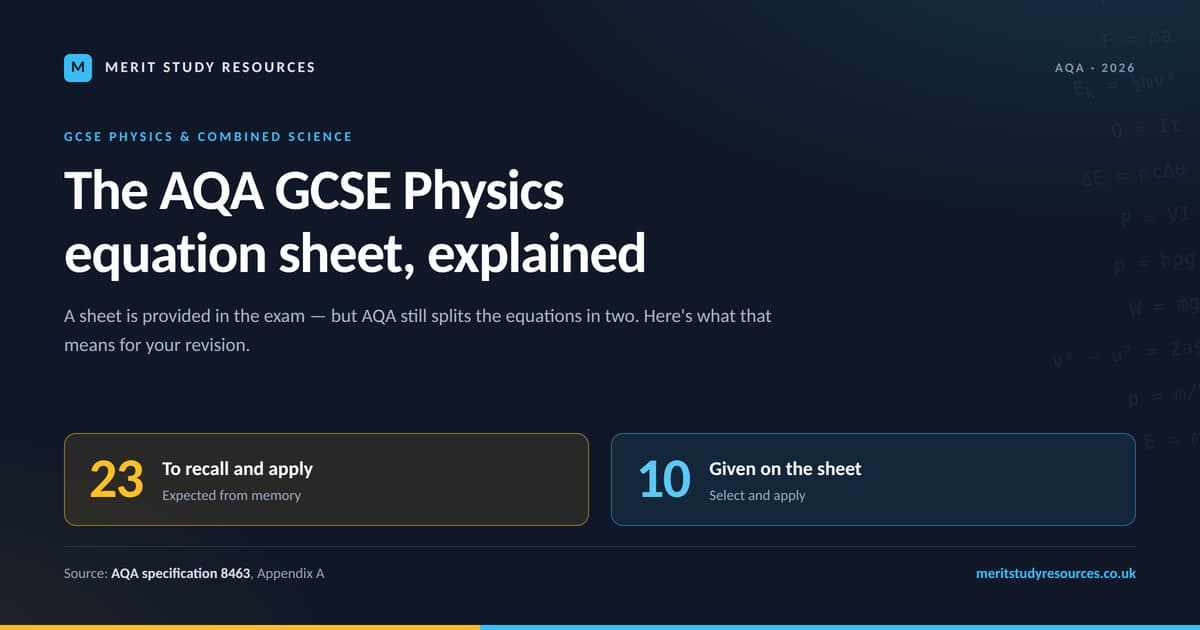
In maths and science, GCSE past papers are especially useful for reinforcing methods and improving speed. Repeated practice of similar question types helps students become more confident with calculations, problem-solving, and multi-step questions.
English Language and Literature
For English, past papers give essential practice in reading unseen texts, analysing language, and planning structured responses. Over time, students become more comfortable with timing and learn how to answer the specific demands of each question rather than writing general responses.
Using GCSE Past Papers with Other Resources
Past papers work best as part of a wider revision plan, not the only tool. They combine well with:
-
Study guides and revision books to fill knowledge gaps.
-
Revision websites like BBC Bitesize, which explain topics in smaller chunks.
-
Organised resources, such as past papers, worksheets, and booklets on Merit Study Resources, to keep everything in one place.
By mixing topic learning with exam-style practice, students strengthen both understanding and technique.
GCSE past papers deserve a central place in any revision strategy. When used regularly—rather than in a last-minute rush—they help students understand question styles, improve timing, and identify exactly where extra work is needed.
Instead of simply downloading files and forgetting about them, building a routine around GCSE past papers can make revision more focused, more efficient, and ultimately more successful.
FAQs about GCSE Past Papers
Q1: When is the best time to start using GCSE past papers?
It is helpful to start using them in a light, section-based way from Year 10 or early Year 11, then move to full timed papers a few months before exams.
Q2: How many GCSE past papers should I aim to complete?
There is no fixed number, but many students benefit from several full papers per core subject, plus extra practice on weaker topics.
Q3: Are GCSE past papers enough on their own for revision?
No. They are most effective when combined with notes, textbooks, lessons, and other revision resources that build understanding as well as exam technique.
Q4: Where can I find official GCSE past papers?
Official GCSE past papers can be found on exam board websites such as AQA, Edexcel (Pearson), and OCR, as well as structured collections on specialist revision platforms.
Ready to try it? Every paper in the library comes with its mark scheme and a
worked solution, so you can practise without hunting for files.
Find past papers